
B1 · Culture · History · Skills lab
Ancient China
Cultural Explorer
Explore Ancient China through images, vocabulary, listening, reading, grammar, and a final B1 speaking mission.
Trust Why this lesson works lesson info
B1 cultural exploration
Dynasties, inventions, philosophy, daily life, and legacy are treated as connected ideas, not isolated trivia.
Games plus culture
Flip cards, sorting, listening, reading cards, Panda quiz, and Gallery stay as engaging discovery layers.
All 4 skills
Reading, listening, speaking, and output writing are connected through one Ancient China mission.
Story-driven route
The lesson moves from input to controlled practice to independent B1 output.
Lesson info
Level: B1. Theme: Ancient China. Main outcome: explain how geography, inventions, and philosophies shaped culture using clear examples and connectors.
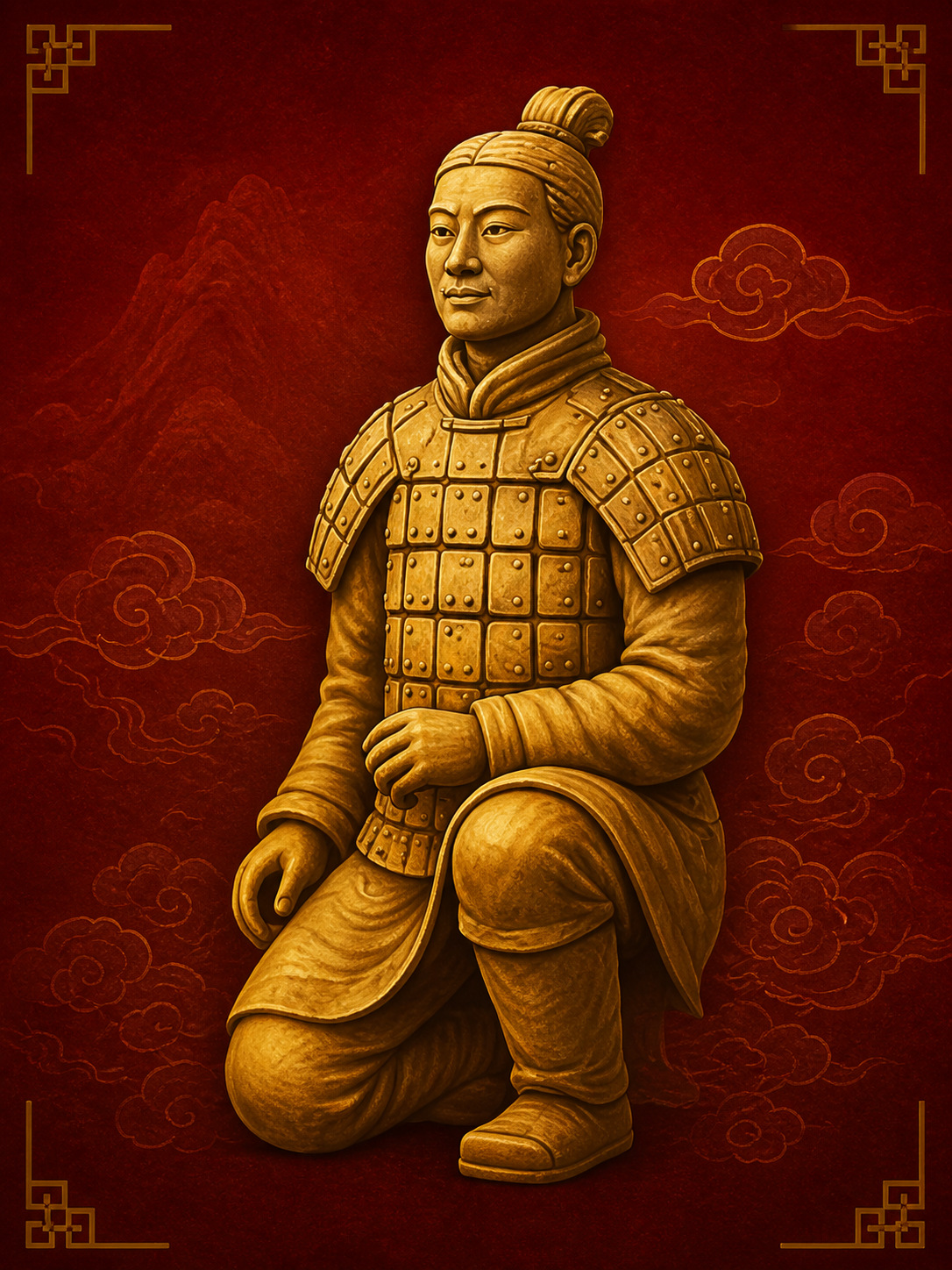
Visual China Map and Terracotta Warrior lesson atmosphere
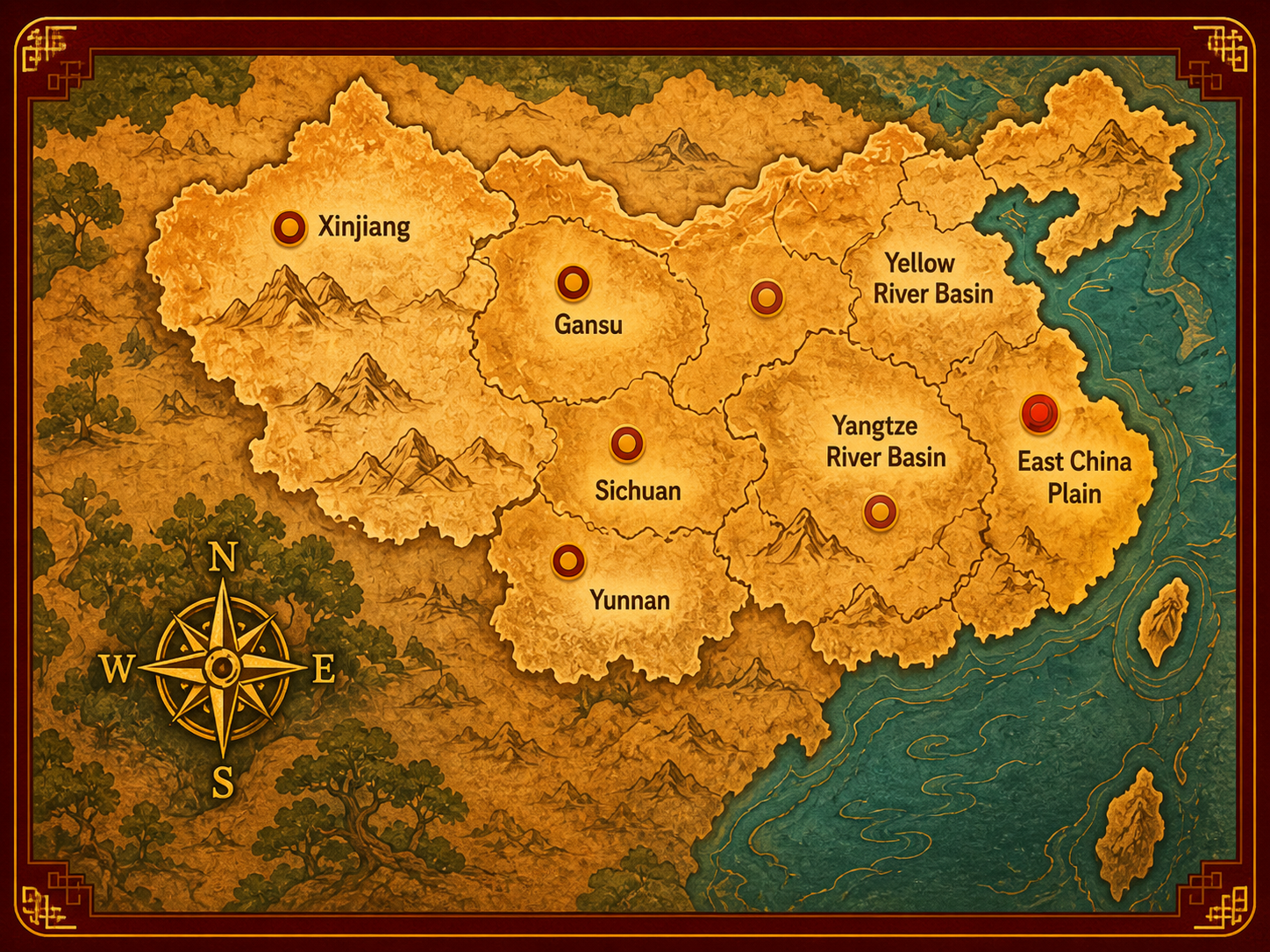
East China Plain
A fertile region where rivers, farms, towns, trade routes, and traditions grew close together.
01 Lesson Goal can-do
By the end of the lesson, the learner will not just recall facts, but explain cultural ideas, compare periods, and speak about China's legacy at B1 level.
I can name
three ancient Chinese inventions and explain why they mattered.
I can describe
one tradition or cultural symbol using B1 phrases and examples.
I can compare
ancient and modern China with because, while, however, and as a result.
02 Vocabulary Dynasties · Inventions · Philosophy
Drag each word into the correct box. Use tap-to-move as a backup on touch screens.
Dynasties
Inventions
Philosophy
03 Cultural Focus A: Four Great Inventions presentation
| Invention | Meaning | B1 example |
|---|---|---|
| Compass | navigation tool | The compass changed travel because sailors could navigate more safely. |
| Gunpowder | early explosive powder | Gunpowder was first used for medicine and rituals, but later changed warfare. |
| Paper | writing material | Paper made writing cheaper, so education and records became easier. |
| Printing | printing technology | Printing spread knowledge faster than handwritten copies. |
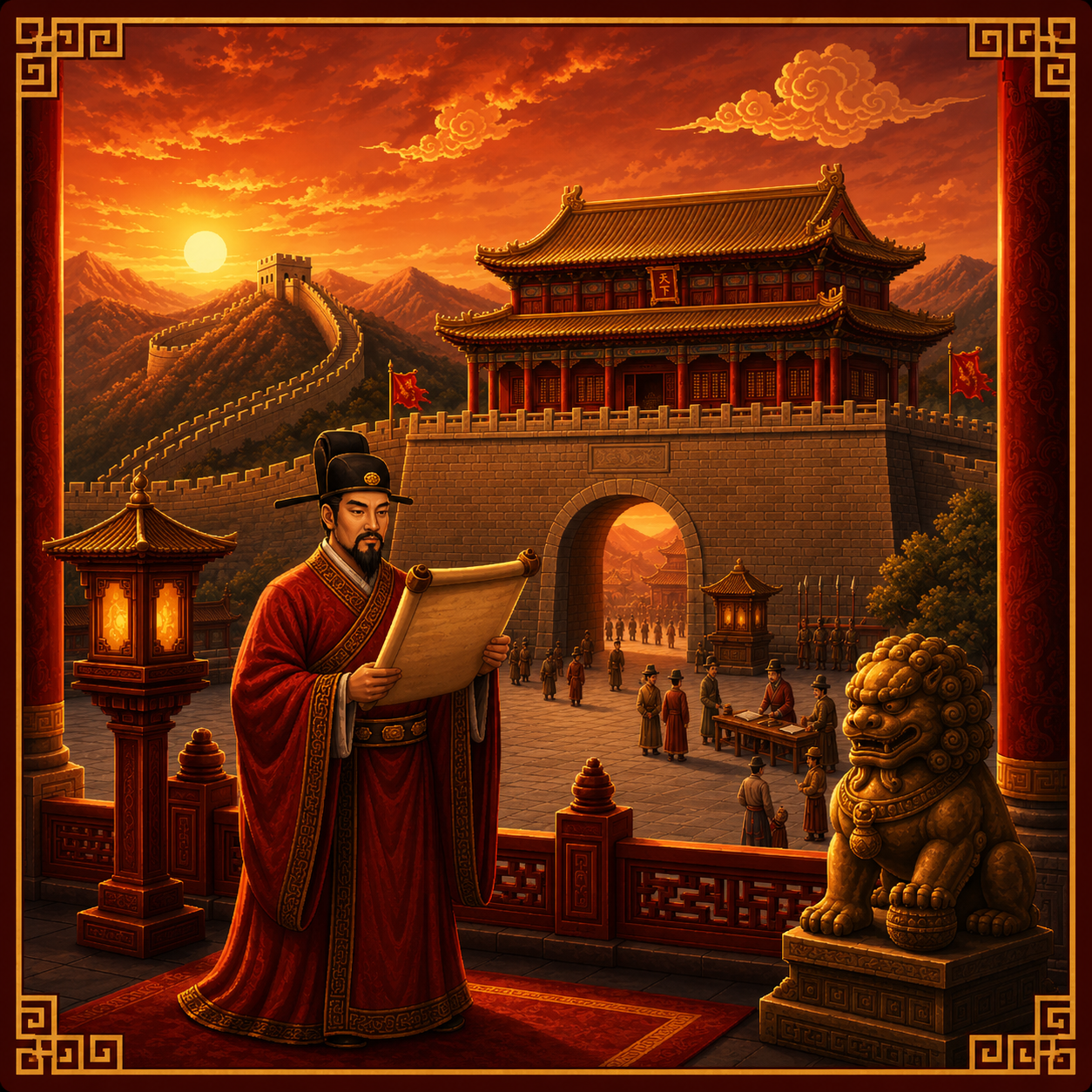
Visual From Inventions to Ideas image bridge
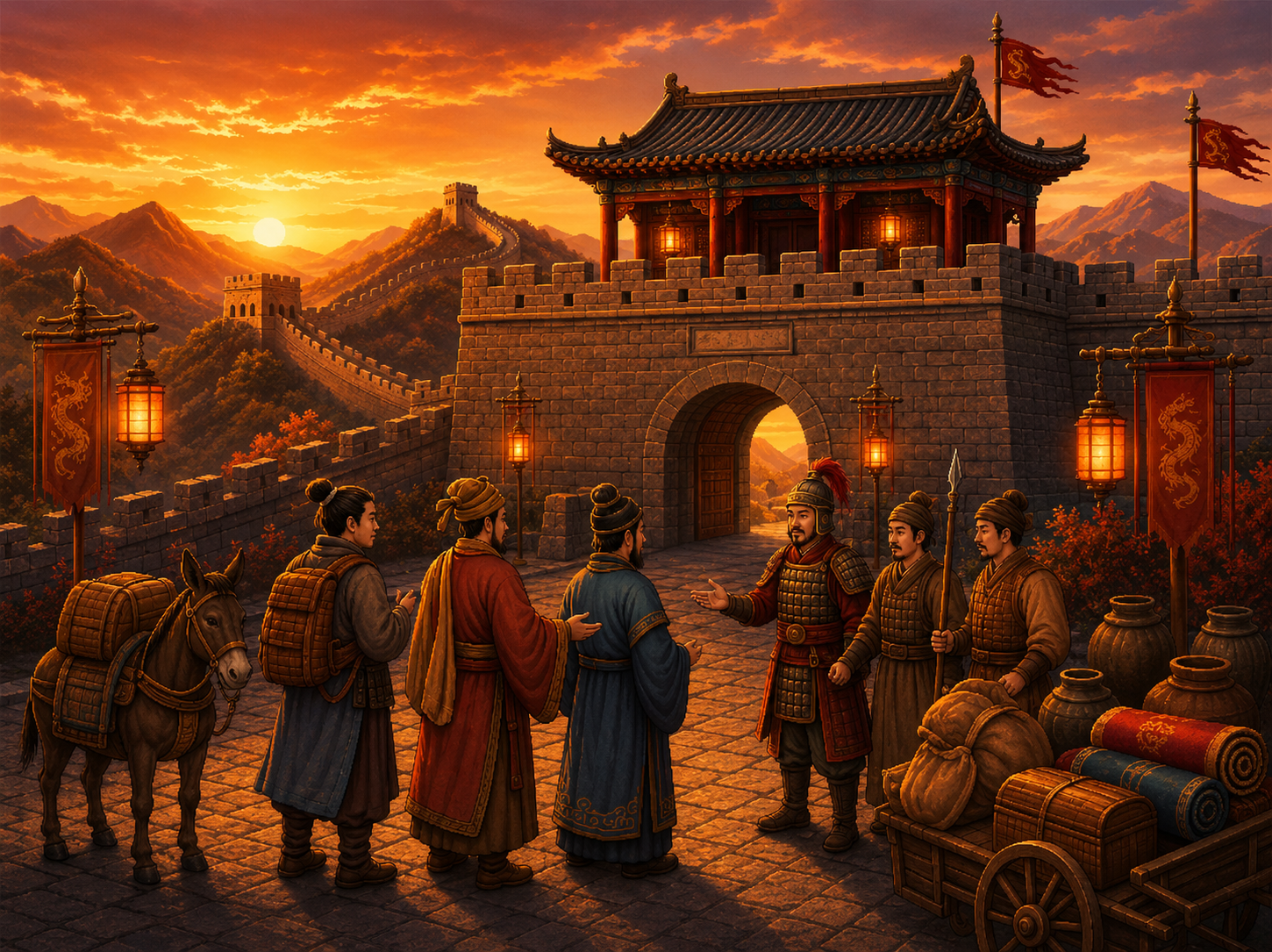
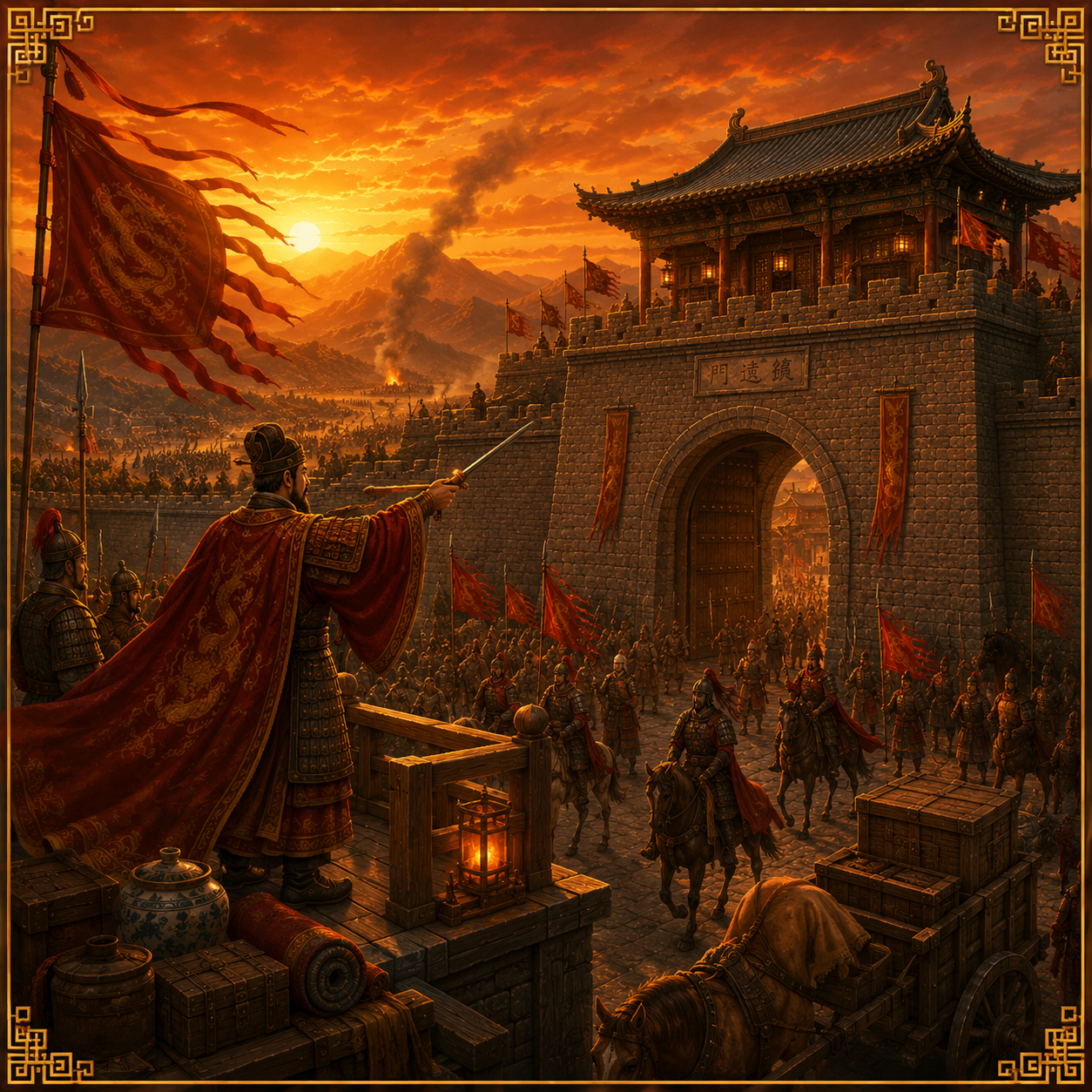
04 Cultural Focus B: Three Philosophies presentation
| Idea | Core meaning | B1 example |
|---|---|---|
| Confucianism | respect, duty, family, education | Confucianism influenced schools because learning and responsibility were central values. |
| Daoism | balance, nature, simple living | Daoism encouraged people to live in harmony with nature. |
| Buddhism | compassion, suffering, inner peace | Buddhism changed art and temple life across China. |
05 Guided Practice Word Maze + culture quiz logic
Red Word Maze
Walk through the real maze from START to FINISH. You can move only to a neighbouring open cell. The path tells a culture story: geography helps cities, trade, inventions, and ideas travel.
06 Active Practice sentence builder
Build a B1 sentence about Ancient China. Tap words in order.
07 Listening Mei + Liu dialogue
Mei and Liu discuss inventions and philosophy. Mei is the female speaker; Liu is the male speaker.
Mei - female speaker
Ancient China gave the world paper, printing, gunpowder, and the compass.
Liu - male speaker
Paper and printing were especially important because they helped people share knowledge.
Mei - female speaker
Philosophy mattered too. Confucianism taught respect and responsibility.
Liu - male speaker
And Daoism taught harmony with nature, so ancient China still influences ideas today.
08 Reading gist + detail
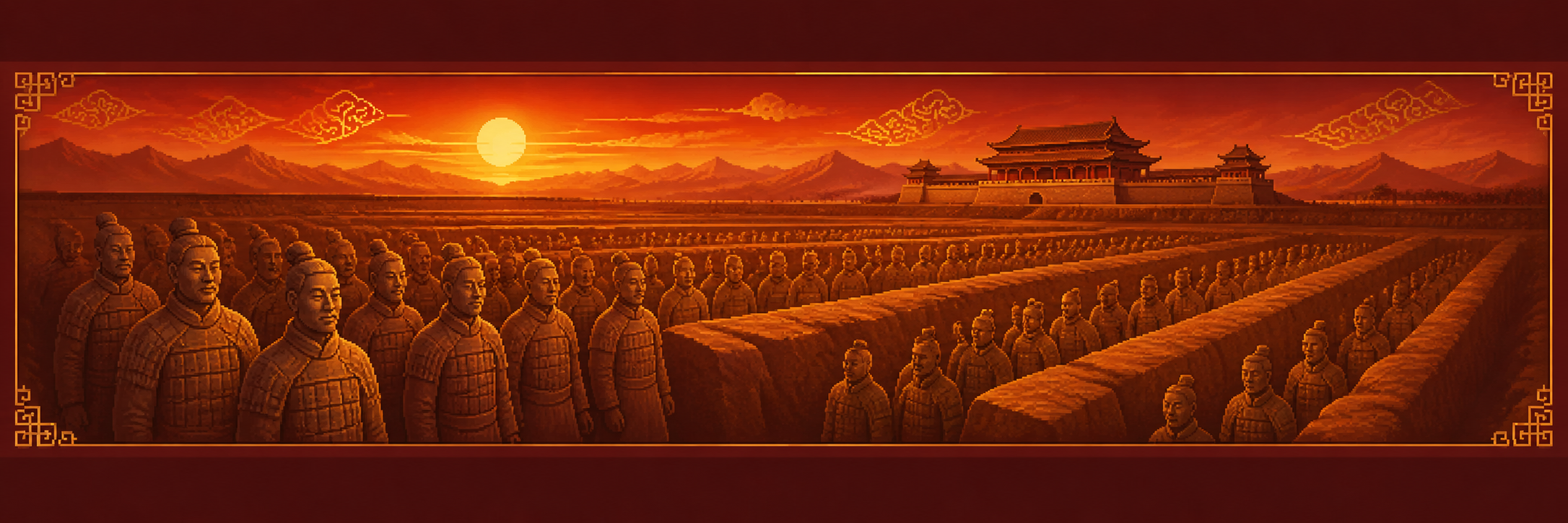
Card 1 · Ancient Ideas, Modern World
Many ideas from Ancient China still influence modern life. Paper and printing changed education because information became easier to record and share.
Card 2 · Travel and Trade
The compass changed travel and trade. Sailors could navigate more safely, so people and goods moved across longer distances.
Card 3 · Values and Balance
Confucianism shaped ideas about family, duty, and learning. Daoism helped people think about balance, nature, and simple living.
Card 4 · Legacy
Today, these ideas are not only history. They help people discuss culture, identity, progress, and how the past can influence the present.
Discovery Giant Pandas · National Treasure bonus comprehension


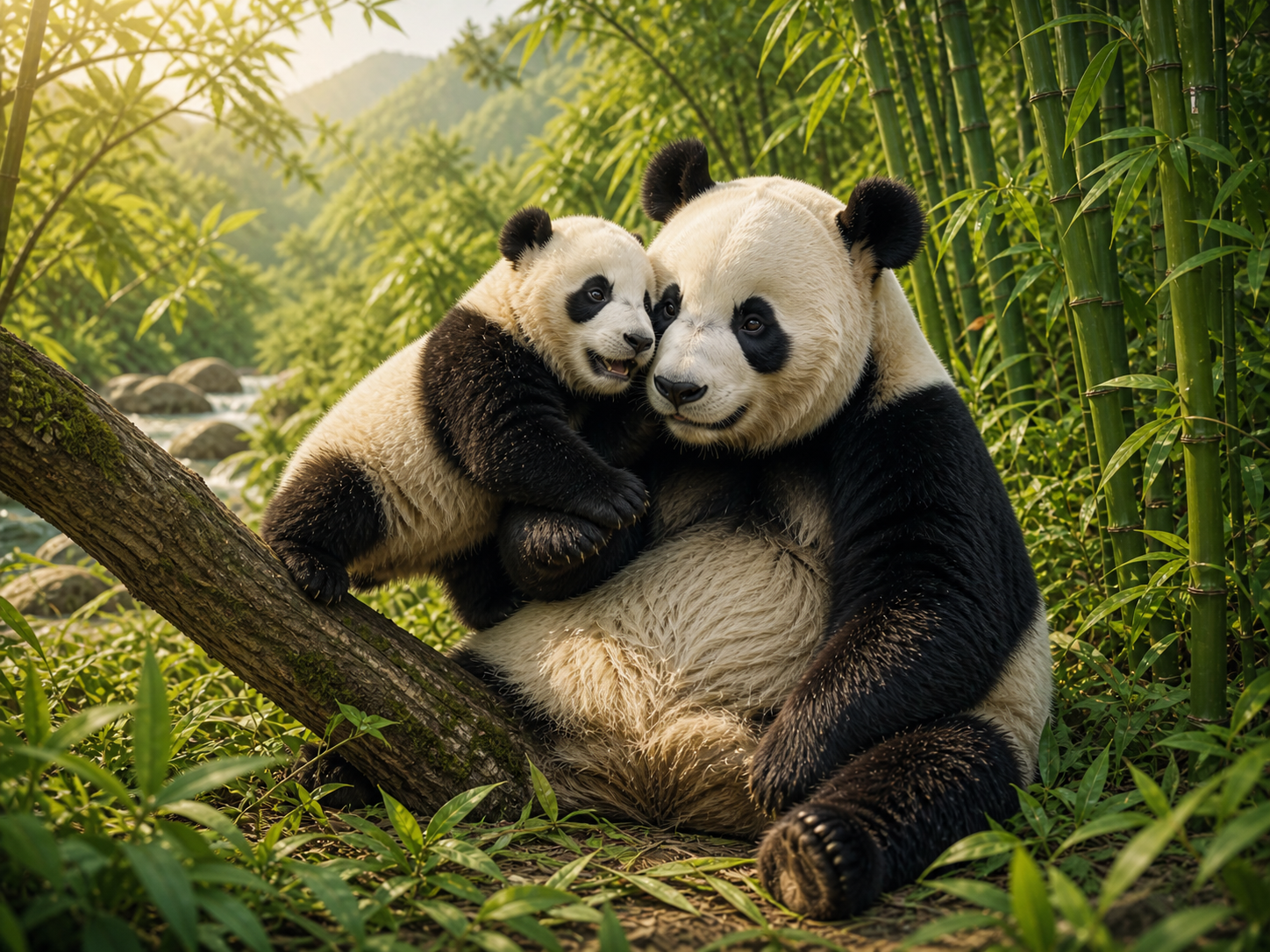
Giant pandas live only in China. Fewer than 2,000 remain in the wild. They spend many hours each day eating bamboo, and China has created special reserves to protect them. Pandas are now a global symbol of wildlife conservation and cultural identity.
09 Output Speaking B1 rubric
Write or say a 45-60 second answer: Which ancient Chinese idea or invention do you think is the most important, and why?
10 Now I Can reflection
Bonus Grammar Pentagon was / were
was / were
Mini task: Was / Were
This is a quick grammar check, not a big test. Choose the pair that fills the two blanks in order.
Use was for one person, place, or thing. Use were for many people, places, or things.
Task: Fill blank 1 and blank 2: There ___ many temples in ancient Beijing. There ___ a famous emperor in 200 BC.