🌿
📝
OGE · format trainer · ecology theme

OGE Trainer · Ecology

Full OGE format on the ecology theme · Listening 1-9 · Reading 10-17 · Lexico-grammatical 18-32 · Writing 33 · Speaking Tasks 1-3.

Level
B1 → B1+
Tasks
33 + speaking
Sections
5 sections
Time
~2 h
L1

Listening · Task 1 · Match 4 speakers → statements

You will hear 4 short statements (A, B, C, D). Match each speaker to one of 5 statements. One statement is extra.

Hands holding small plant seedling in soil · urban greening 1 Listening · match · 4 speakers
▶ Speakers A · B · C · D

5 statements:

  1. 1. The speaker explains how recycling is organised in their city.
  2. 2. The speaker talks about their favourite eco-friendly habit at home.
  3. 3. The speaker complains about the lack of green spaces.
  4. 4. The speaker describes a school environmental project.
  5. 5. The speaker shares an eco-friendly travel tip.
Score 0 / 4
L2

Listening · Task 2 · True / False / Not stated

You will hear a dialogue. For questions 2-6, mark each statement True, False, or Not stated.

2-6 Listening · T/F/NS · dialogue
▶ Dialogue · Maya & Ben
Score 0 / 5
L3-9

Listening · Tasks 3-9 · 7 MCQ on a longer audio

You will hear an interview. For questions 3-9, choose one of three options.

3-9 Listening · 7 MCQs · interview
▶ Interview · Dr. Greene
R10

Reading · Task 10 · Match 7 headings to 6 texts

Match headings 1-7 to texts A-F. One heading is extra.

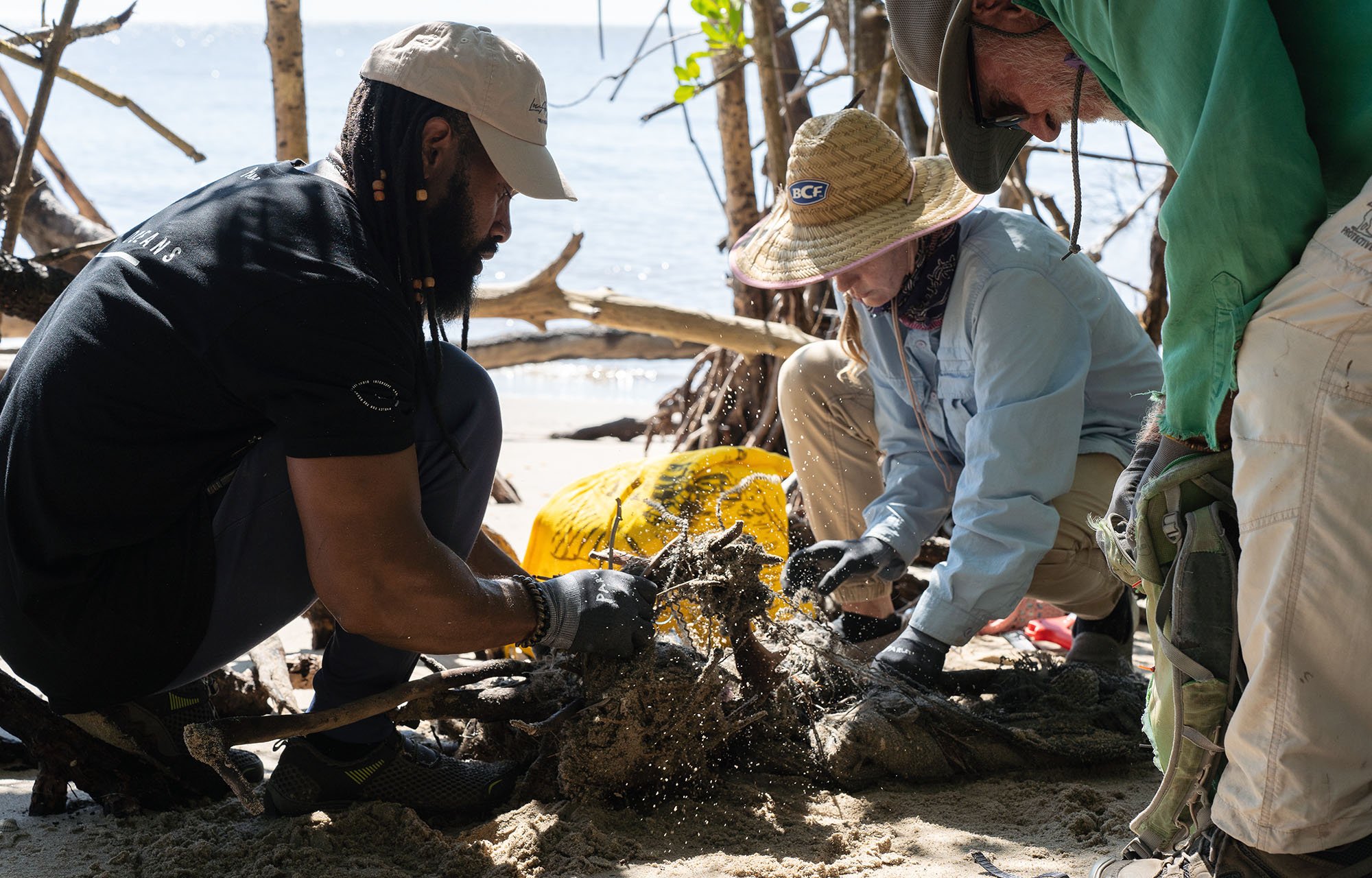
Volunteers collecting plastic waste during a coastal cleanup Clean forest stream surrounded by green trees
10 Reading · headings · 6 texts + 7 headings

Headings:

  1. Cleaning up the ocean
  2. Cities going green
  3. What is recycling really?
  4. Eat smart, save the planet
  5. The hidden cost of fast fashion
  6. Energy from sun and wind
  7. Young eco-activists
Score 0 / 6
R11-17

Reading · Tasks 11-17 · True / False / Not stated · 7

Read the text. For questions 11-17, mark each statement True, False, or Not stated.

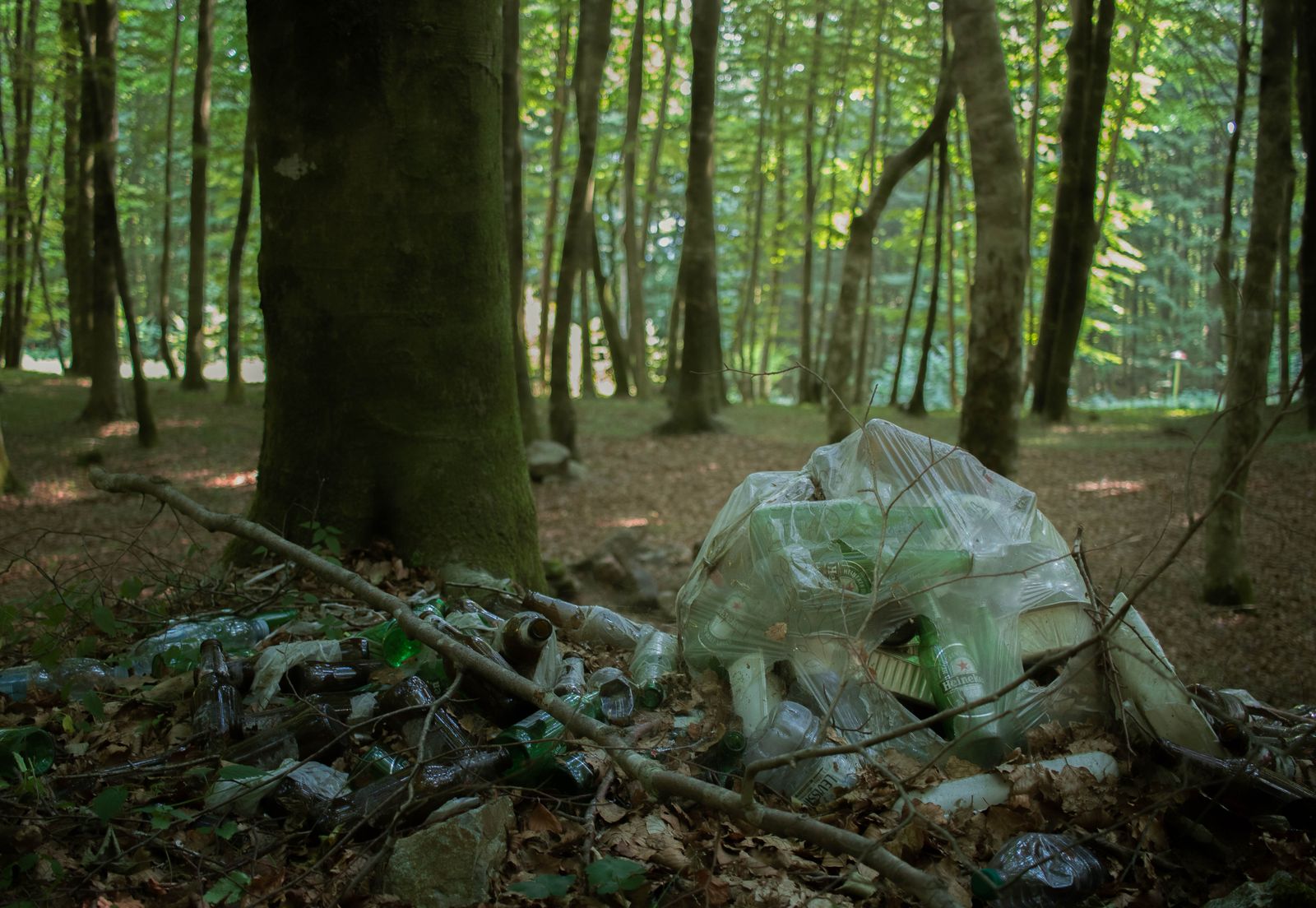
Plastic bottles and trash scattered on forest floor · pollution 11-17 Reading · T/F/NS · 7 statements

The planet is facing a set of environmental challenges that are closely connected to the way we live, produce, and consume. Air pollution from vehicles and factories contributes to respiratory diseases and smog, especially in large cities. At the same time, greenhouse gas emissions trap heat in the atmosphere, leading to rising temperatures, more frequent extreme weather, and melting ice caps.

Waste is another major issue. We generate huge amounts of plastic and packaging that often end up in landfills or oceans, harming wildlife and ecosystems. Although recycling helps, many materials are still single-use or difficult to process.

Fortunately, there are solutions. Renewable energy sources such as solar, wind, and hydro power can replace fossil fuels and reduce emissions. Governments and businesses are investing in cleaner transport, energy-efficient buildings, and greener technologies. Individuals also play a role: saving energy at home, choosing public transport, buying less, and reusing or repairing items can make a real difference.

Education and awareness are essential. When people understand the impact of their choices, they are more likely to act. Sustainable living is not about perfection; it is about making better decisions every day for a healthier planet and future generations.
Score 0 / 7
G18-26

Lexico-grammatical · Tasks 18-26 · Word formation

Transform the word in brackets so that it grammatically and lexically fits the sentence.

18-26 Word formation · 9 gaps
Score 0 / 9
G27-32

Lexico-grammatical · Tasks 27-32 · MCQ gaps

Choose the option that fits the meaning.

27-32 MCQ select · 6 gaps

27. Many city governments are in renewable energy.

28. Plastic waste often in landfills or oceans.

29. Sustainable living is not perfection — it is about small daily choices.

30. Recycling helps, but many materials are still .

31. Renewable energy can fossil fuels and reduce emissions.

32. When people the impact of their choices, they act differently.

Score 0 / 6
W33

Writing · Task 33 · Personal letter (100-120 words)

Read the extract from Tom's letter and write a reply.

33 Personal letter · 100-120 words · ~30 min

… My class is doing a project on ecology and we are trying to use less plastic at school. Some kids think it is a great idea, but others say it is hard to change habits. Do you do anything to help the environment at home or at school? What is the biggest environmental problem in your area? Do you think young people can really make a difference?

Write me back soon!
Tom

Write a letter to Tom. In your letter: answer his three questions · ask him 3 questions about his eco project · 100–120 words · use the standard letter format (greeting · opening sentence · main part · ending · sign-off).
Target: 100–120 words · 5 paragraphs (greeting · opener · body · 3 questions · sign-off) words: 0
Moscow, 24 June 2026 Dear Tom, Thank you for your letter. It was great to hear about your school project on ecology. To answer your questions, at home we recycle paper and plastic, and we always turn off lights when we leave a room. At school, our class organised a "no plastic bottle" week last term — most of us brought reusable bottles. The biggest environmental problem in my area is air pollution from traffic, especially in winter. I really believe young people can make a difference, because we will live with the consequences for the longest time. By the way, how many people joined your project? What new habits did you change first? And did your teachers support the idea? Hope to hear from you soon. All the best, Maria
S1

Speaking · Task 1 · Read aloud (1.5 min)

You have 1.5 minutes to prepare and 2 minutes to read the text aloud.

SP1 Read aloud · ~10 lines

Ecology is the study of how living things interact with each other and with their environment. It helps people understand why nature works as a balanced system. When we cut down too many trees or pollute the air, we break this balance, and many species lose their homes. Biodiversity, the variety of life on Earth, becomes weaker every year. Fortunately, more and more young people are joining environmental projects. They recycle at school, plant trees in their neighbourhoods, and use public transport instead of cars. Small daily actions, when many people repeat them, can really protect the planet for future generations.

Your turn — read the text aloud:
Scoring: pronunciation, fluency, accuracy. Don't pause too long. Pronounce difficult words clearly: ecology · environment · biodiversity · neighbourhoods · generations.
S2

Speaking · Task 2 · Conditional dialogue (40 s/answer)

You are taking part in a survey. Answer 6 questions from the e-assistant. 40 seconds per answer.

SP2 6 questions · 40 sec each

"Hello! We are doing a survey about young people and the environment. Please answer six questions. After the signal, you will have 40 seconds for each answer."

S3

Speaking · Task 3 · Monologue (12 phrases · 2 min)

You have to give a talk on protecting the environment. Prepare a 2-minute monologue (at least 12 phrases). Use the 3 prompts below.

SP3 Monologue · 12+ phrases · 2 min
Topic · Protecting the environment

"Imagine that you are doing a project «Protecting the environment». Now you are gathering information for your project. You have found some information and you'd like to share it with your friends."

Speak about:

  1. What environmental problems are the most serious in your area;
  2. What people can do at home or at school to help the environment;
  3. Whether you think young people can really make a difference and why.
Your turn — record your 2-minute monologue:
Hi everyone! Today I'd like to tell you about protecting the environment. In my area, the most serious problems are air pollution and rubbish in the streets. There are too many cars, and many people don't throw their waste in the bins. In summer, the air is heavy, and you can see smog above the city. But people can do a lot, both at home and at school. At home, we can save water, recycle paper and plastic, and use less electricity by turning off the lights. At school, we can organise eco-projects, plant trees, and bring reusable bottles instead of buying plastic ones. We can also tell our families about good habits. I really think young people can make a real difference. We are the generation that will live longest with the consequences, so we have the strongest reason to act. Of course, one person alone is not enough — but when thousands of students do small things every day, the result is huge. That's why I think protecting the environment is not someone else's job — it is ours. Thank you for listening!