Playworking — The Coliving I Found By Accident
I wasn't looking for anything special. I just wanted price and quality to match — a decent room, a real internet connection, the sea somewhere nearby. I got considerably more: a community I had stopped looking for, three weeks of English practice as a free side effect, and a feeling I hadn't felt in years — that I had co-workers. This is a first-person review of the Playworking coliving on the Luštica Peninsula, Montenegro, and the reason I now want this summer not to end.
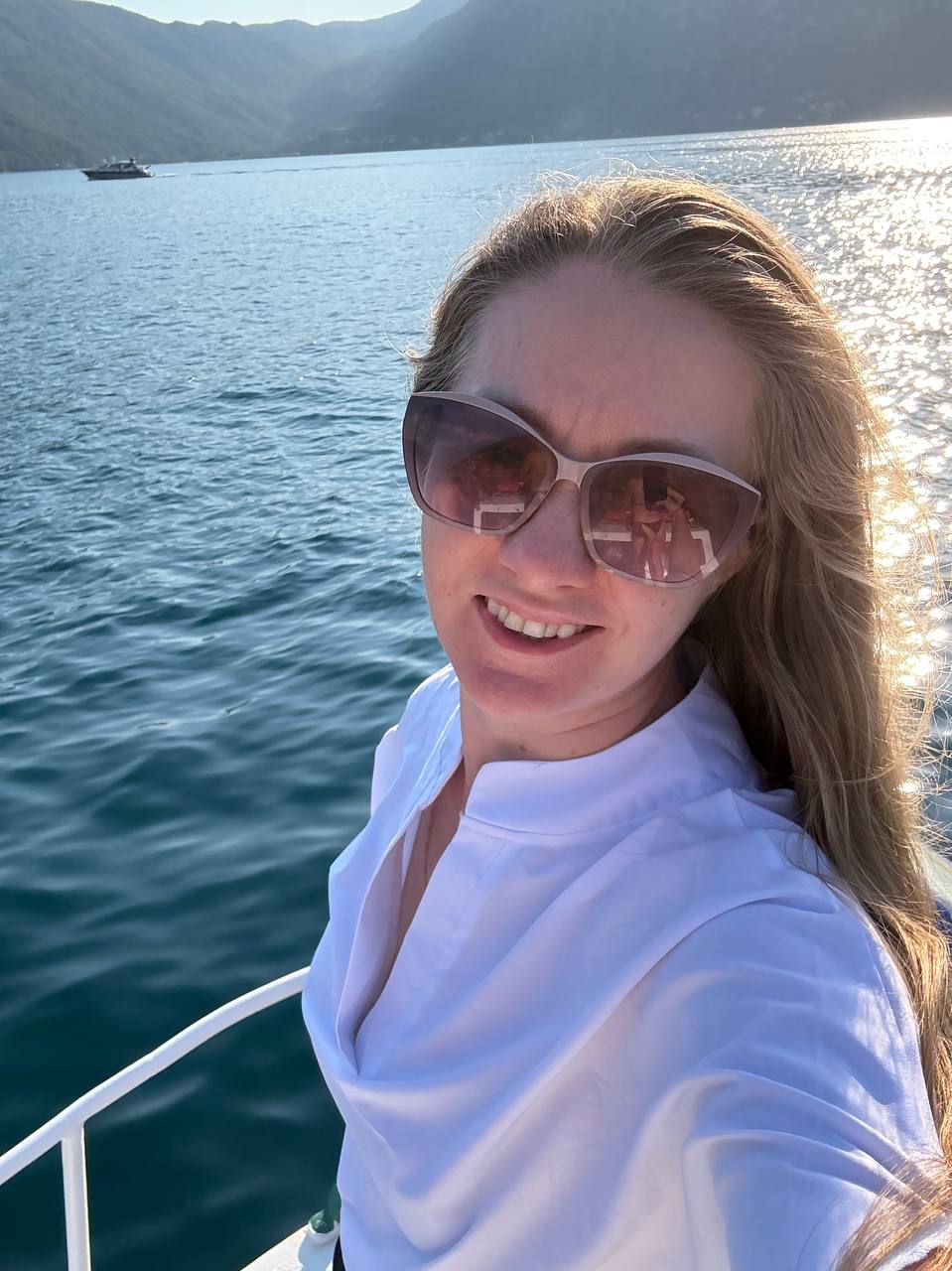
How I ended up here
By accident, if we're being honest. I was looking for a place in Montenegro where I could work remotely for three weeks without the cost being Dubai and without the internet collapsing every other hour. Playworking turned up in a search alongside several other options. I clicked without any particular expectations.
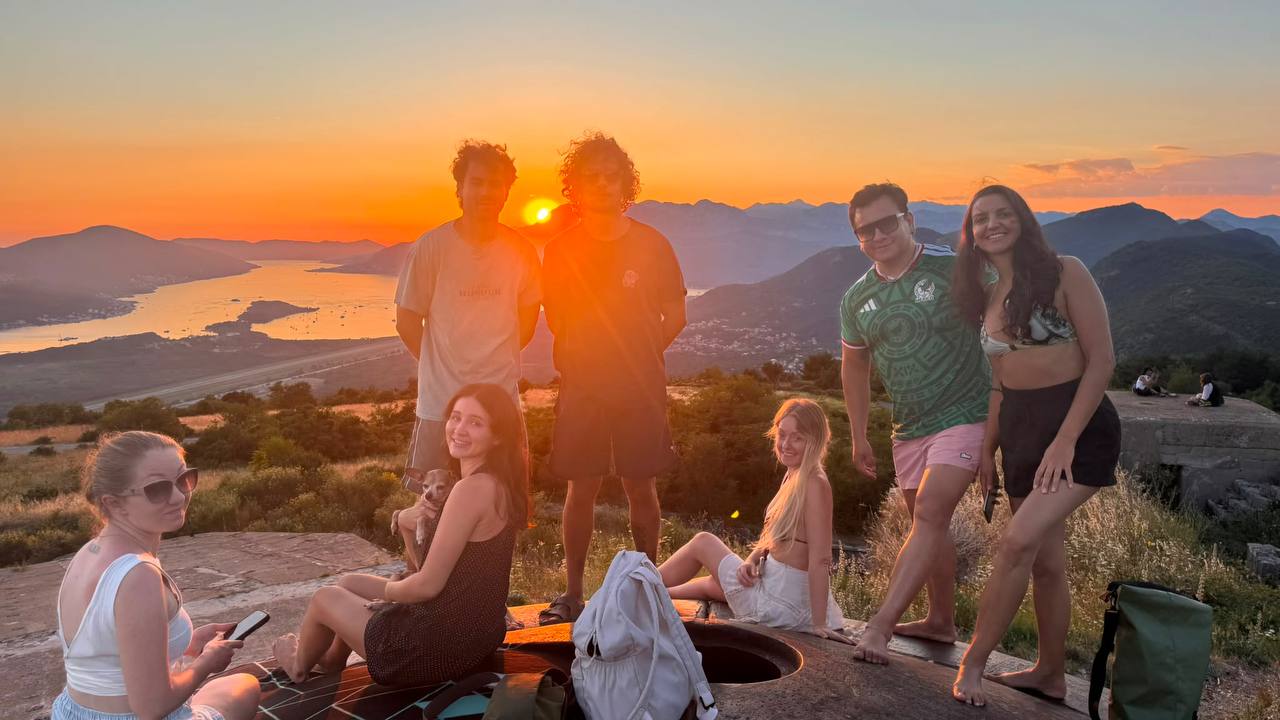
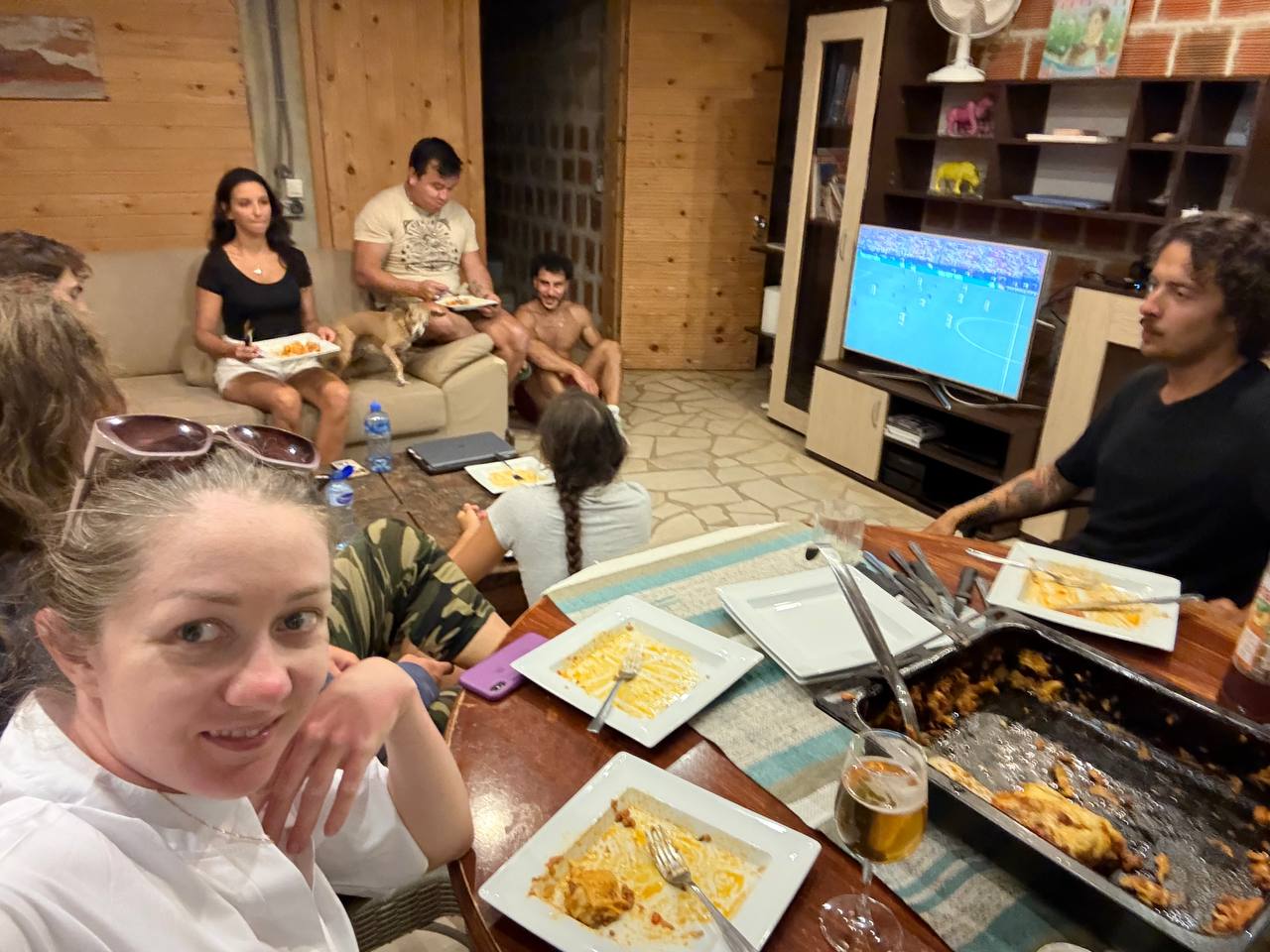
Then I arrived. And instead of "a rented room with internet" I found a house where eight people from across the world live, each with their own laptop and time zone and project — but by evening they all drift down to the shared kitchen, someone is frying pasta, someone is pulling out a bottle of wine, someone is putting the football on the big screen. This is not "a camp for tourists" — this is the normal life of people who happen to have collected temporarily in one place because it is convenient for work and not boring otherwise.
What "your people" means when you have no colleagues
I do not have colleagues. I left Moscow School 1811 some time ago, I run my own students online, I build my own methodology, I assemble materials through AI tools. This is productive and it is also a solitary game.
Here it turned out that when eight people each do their own different thing in one shared space — that is not solitude any more, that is parallel work. You are not distracted by their tasks, but you hear their voices, you see their focus, someone walks past asking who wants coffee. At some point you catch yourself thinking: I have co-workers here. Not the kind you discuss KPIs with — the kind you say good morning to and have tea with at night and ask how the day went.
As a bonus — three weeks of English practice without language clubs. Because not everyone is Russian, English is simply the default household language. By breakfast you're saying "pass me the bread"; by dinner you're arguing about the Premier League. No drills, no flashcards.
How a day and an evening are built
Days are working. Everyone runs on their own calendar, on their own laptop. I teach my classes, assemble materials, answer my student chats — exactly the same work I'd do in Moscow, simply from a different point on the map. My school keeps running because the system was built so geography is decoupled from delivery: materials in one place, schedule in one place, AI infrastructure holding the conveyor. I am here, the school is there, and everybody is fine.
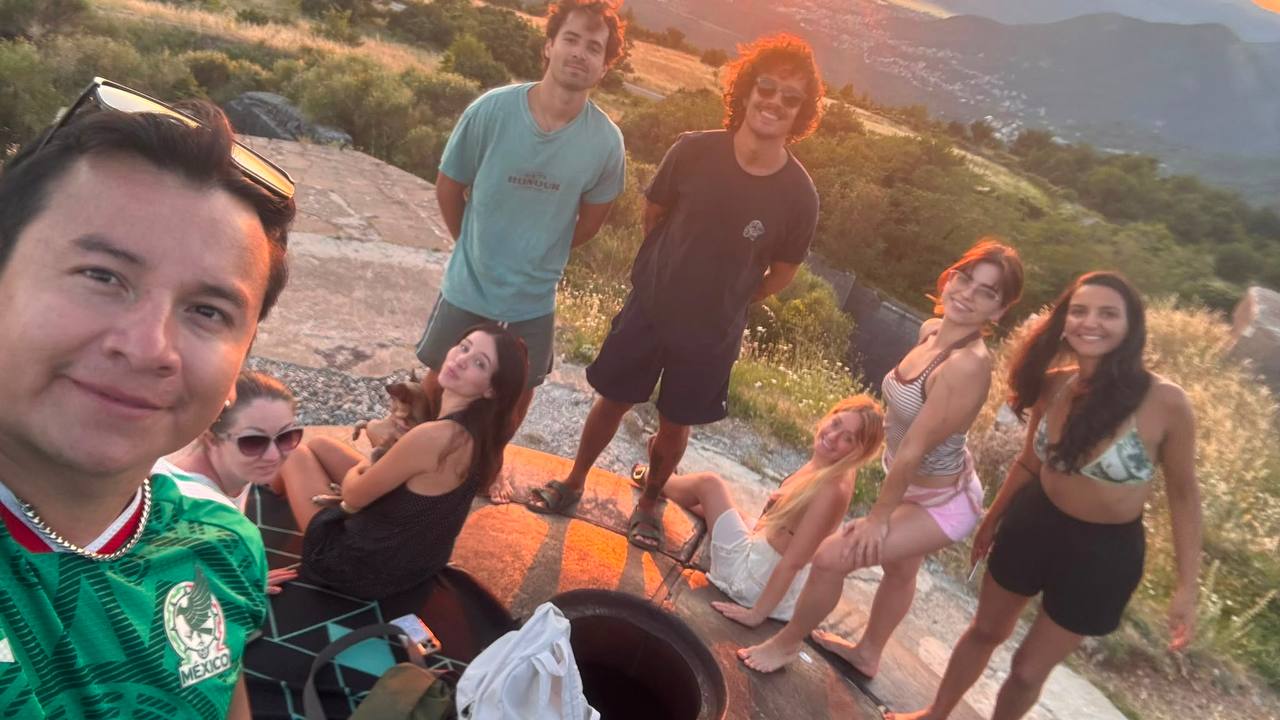
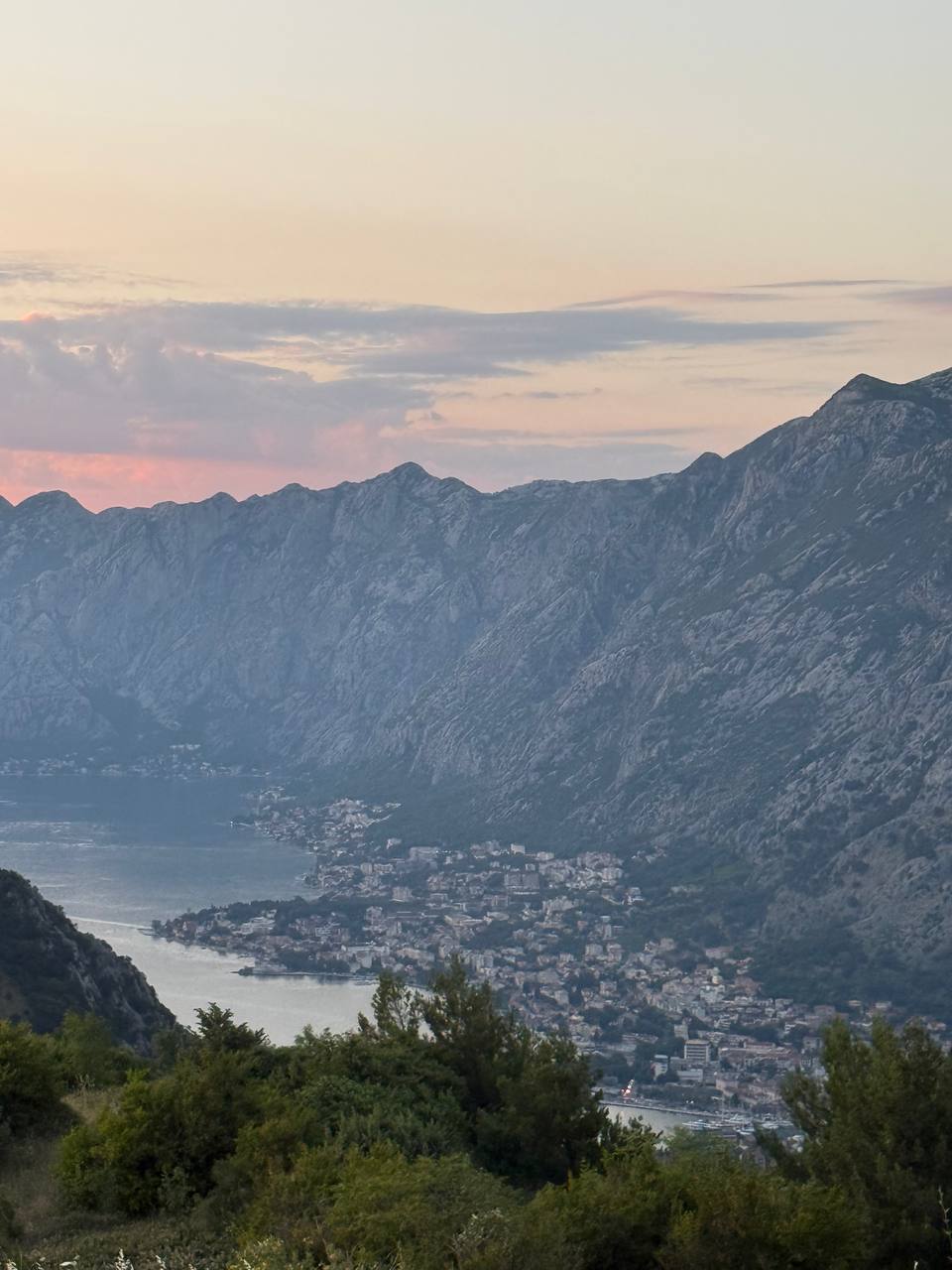
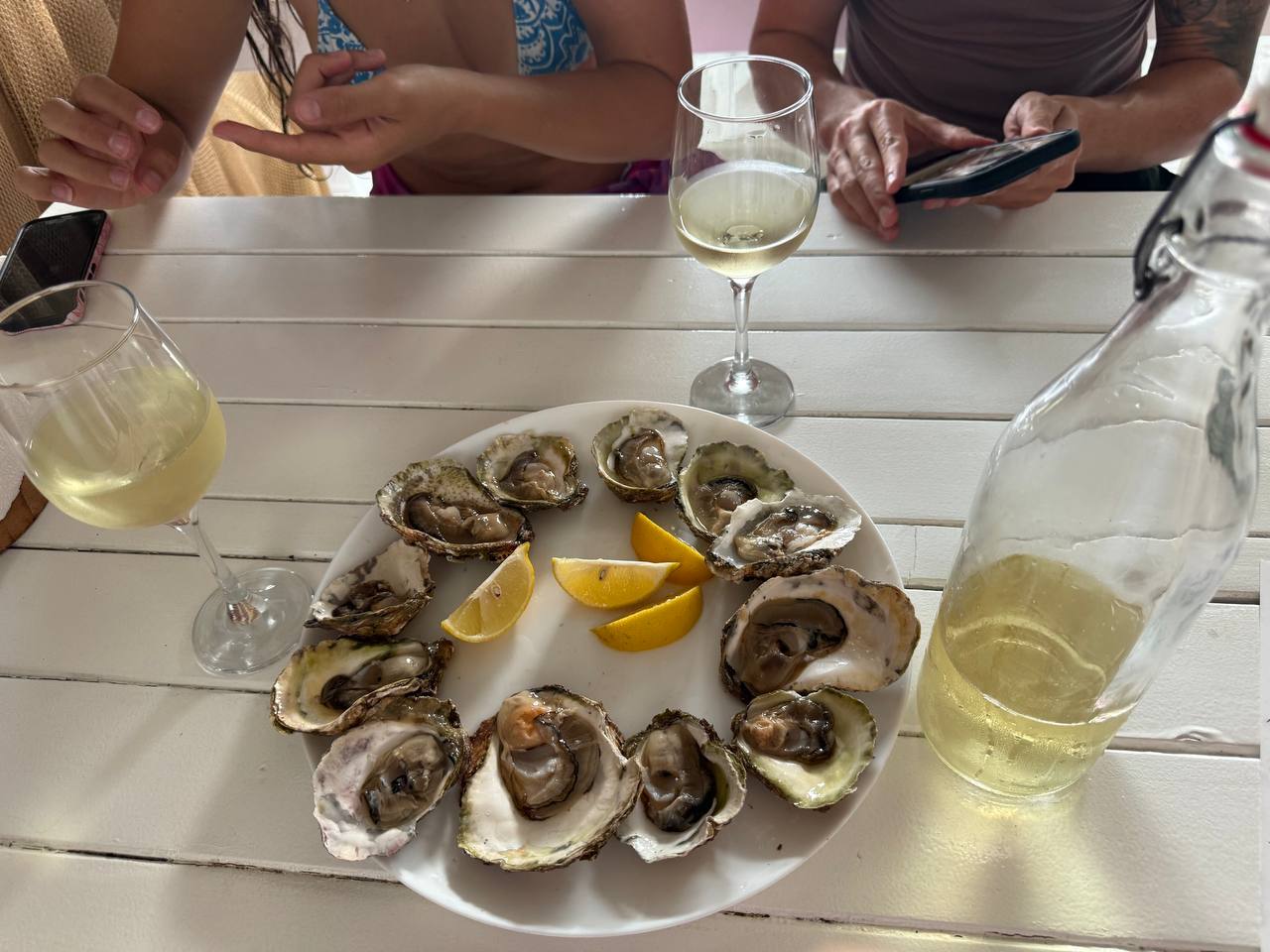
Evenings are shared, with no obligations. Someone starts cooking — everyone drifts down. Someone puts on the football — people collect around it. Someone proposes driving up to a hilltop for sunset — the car fills. Someone discovers an oyster bar — the location passes around. This is not "a programmed activity calendar with a camp leader". This is what happens when adults with similar lives share what they find.
What you'd need to come here yourself
- Three weeks of remote work. At minimum. Less than that and you never enter the rhythm — and Playworking is precisely about rhythm.
- English at roughly B1+. Not C1, no certificate needed. Just enough to follow group conversation and answer at the table. The level rises on its own over three weeks.
- The ability to drive. Not mandatory, but it makes everything easier. Luštica is a peninsula and the good things are scattered an hour's drive apart. Without a car you depend on minibus schedules.
- Willingness to live next to people. Your room is private; the house is shared. If you need total silence twenty-four hours a day, this isn't your set-up.
What I understood in three weeks
"I went to work from Montenegro" sounds nice regardless. The more interesting thing — and the part I didn't expect — is that remote work is not condemned to being solitary, even if you no longer have a company around you. You can show up once at a place where remote workers gather, and you get work, company, scenery, and three weeks in a foreign country which slowly stops being entirely foreign.
To repeat it, all you need is small: a laptop, conversational English, a passport, and three free weeks. Everything else assembles itself.
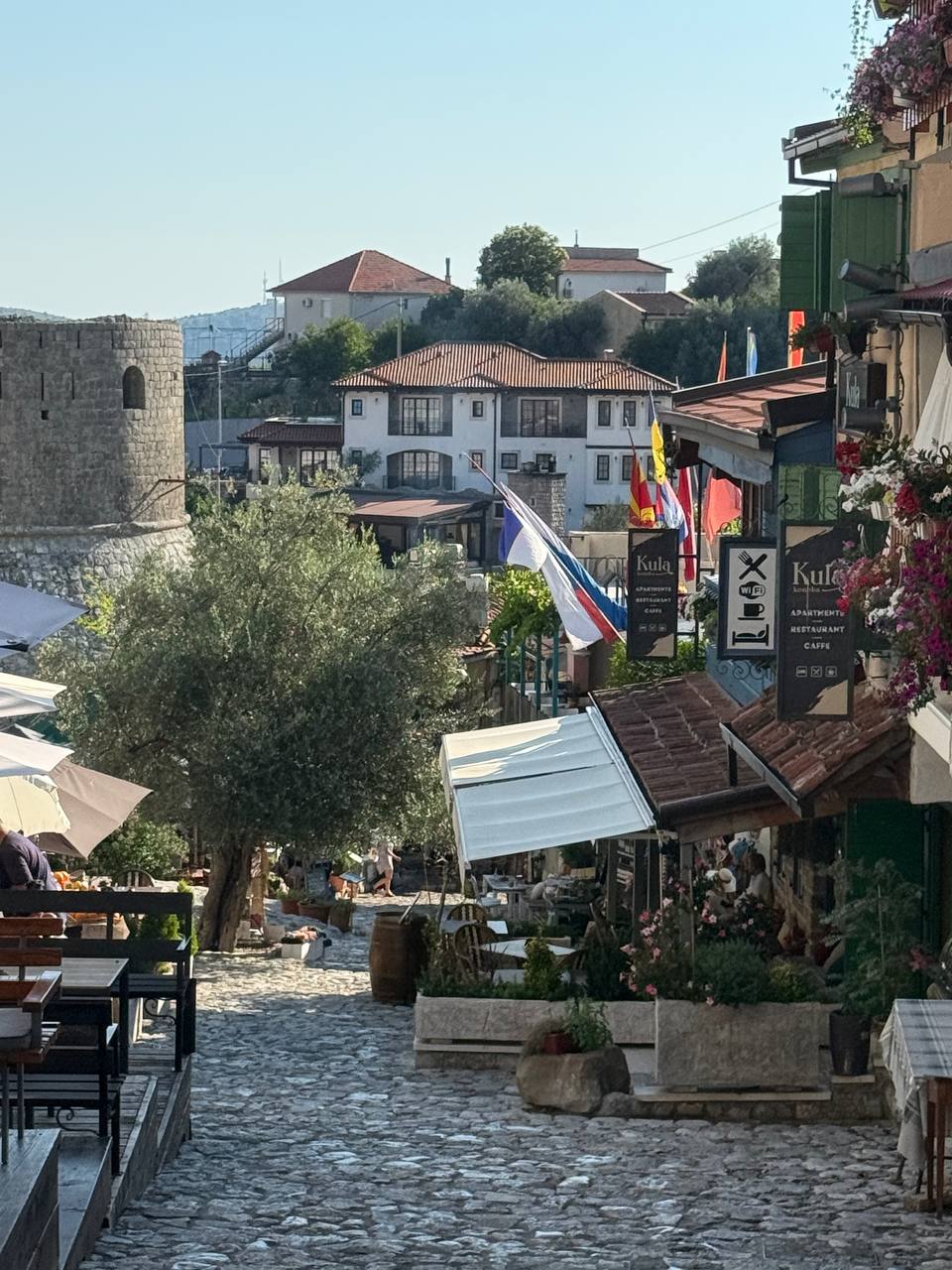
Stari Bar — the fortress I would've skipped
I'd have skipped it, honestly, but the AI insisted it was on the way. No one lives in it any more — it's a fortress and the ring of old stone walls around it. And somehow it works. Not as a postcard. As a place no one is taking the peace away from.
The oldest olive tree in Europe grows here, around 2000 years old: an immortal old lady with character — survived empires, wars, the Venetians, the Ottomans, Yugoslavia — and she's still standing.
Minimum: walk the main street, look at the stone houses, the arches. Sit for tea under the walls — that one is a hit.
If you'd like the same
The coliving website is playworking.me. Our broader Digital Nomad Guide has the comparison table with cost, internet speed and alternative colivings. I'm staying here through the end of the trip and continuing to work in "the-summer-doesn't-end" mode — with my school, with my students, with this window onto Boka Kotorska behind my back.
Frequently asked questions
What is Playworking coliving in Montenegro?
A small coliving on Luštica Peninsula for remote workers. Seven private en-suite rooms, 600 Mbps fibre, shared kitchen and lounge, free SUPs and bikes, weekly shared dinners, free Tivat Airport pickup. Around €800/month. Run by Jeffrey with house dog Brownie.
Is Playworking good for solo remote workers?
Yes, especially if you have no colleagues at home. The default setup is parallel daytime work in a shared house with people from different countries and time zones, with informal evening activities. It rebuilds the sense of having co-workers without requiring company structure.
What do you actually need to spend three weeks here?
Three weeks of genuinely remote work, English at around B1+ (good enough for table conversation; it improves on its own), the ability to drive (helps a lot on a peninsula, not mandatory), and a willingness to live close to other people.
How is the English practice at Playworking?
Organic, three weeks long, and free. Because residents come from several countries, English is the default house language. You go from "pass me the bread" at breakfast to discussing the Premier League by dinner. No language clubs needed.
Where exactly is Playworking located?
On the Luštica Peninsula, near Tivat (Boka Kotorska Bay), Montenegro. Tivat Airport is the nearest entry point; airport pickup is included. Easy access by car to Kotor, Perast, Budva and Stari Bar.
Words: Maria Burtseva · personal photos · June 2026, Playworking, Luštica Peninsula, Montenegro.